AI-Driven Predictive Maintenance for Hydroelectric Infrastructure
The stability of Canada's energy grid relies heavily on the uninterrupted operation of its hydroelectric facilities. Traditional maintenance schedules, based on fixed time intervals or reactive responses to failures, are increasingly inadequate for modern, complex infrastructure. This article explores how GridOps Canada is implementing AI-driven predictive maintenance models to transform asset management, enhance reliability, and prevent costly downtime across major hydro networks.
From Reactive to Proactive: The Data Foundation
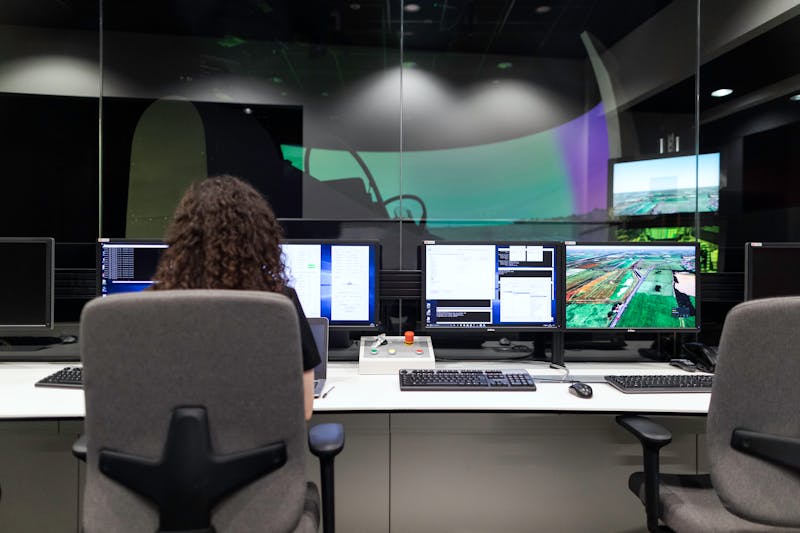
Predictive maintenance begins with data integration. At GridOps, we aggregate real-time sensor data from turbines, generators, transformers, and penstocks across facilities in British Columbia, Quebec, and Manitoba. This includes vibration analysis, thermal imaging, lubricant condition monitoring, and electrical load patterns. By establishing a centralized data lake, we create a holistic view of asset health that was previously siloed across different operational teams.
Machine Learning Models in Action
Our core predictive engine utilizes several machine learning techniques:
- Anomaly Detection: Unsupervised learning algorithms establish a baseline of "normal" operation for each asset. Deviations in vibration frequency or temperature spikes trigger early warnings long before a human operator might notice a trend.
- Remaining Useful Life (RUL) Forecasting: Regression models analyze historical degradation data alongside current operating conditions to predict the precise remaining operational lifespan of critical components like turbine blades.
- Failure Mode Classification: Supervised models, trained on years of maintenance logs and incident reports, can classify the type of impending failure, allowing crews to arrive with the correct parts and expertise.
Operational Impact and Network Stability
The implementation of this system at the Churchill Falls facility has demonstrated a 40% reduction in unplanned outages and a 25% extension in mean time between failures for key generators. More importantly, it allows for maintenance to be scheduled during periods of low energy demand, optimizing grid load and financial performance. This shift prevents the cascading failures that can occur when a major hydro station goes offline unexpectedly, directly supporting national grid stability.
"Predictive analytics is not about replacing human expertise, but augmenting it. Our operators now have a powerful decision-support tool that highlights potential issues weeks in advance, transforming maintenance from a cost center into a strategic reliability function."
Challenges and Future Roadmap
Key challenges include data quality assurance in harsh environmental conditions and integrating legacy systems with modern IoT platforms. Looking ahead, GridOps is piloting digital twin technology for major dams, creating a virtual, real-time replica of the physical asset. This will enable simulation and stress-testing of maintenance scenarios before any physical work begins, further de-risking operations.
The move towards AI-driven predictive maintenance represents a fundamental shift in how Canada manages its critical energy infrastructure. It embodies the operations-first, data-integrity approach that defines GridOps Canada's mission to ensure a resilient and digitally-advanced energy future.